



Persian Rugs
Classic Persian artistry, hand-knotted in wool and silk — intricate medallions and flowing borders woven the traditional way, direct from our looms in India.
What colour are your walls?
Pick the closest shade.
What’s on your floor?
The surface your rug will sit on.
A colour you’re drawn to?
We’ve suggested one from your room — keep it, or tap another shade.
Matched by the GetMyRugs design studio using colour theory and your room. Every rug shown is in our collection and ready to order.



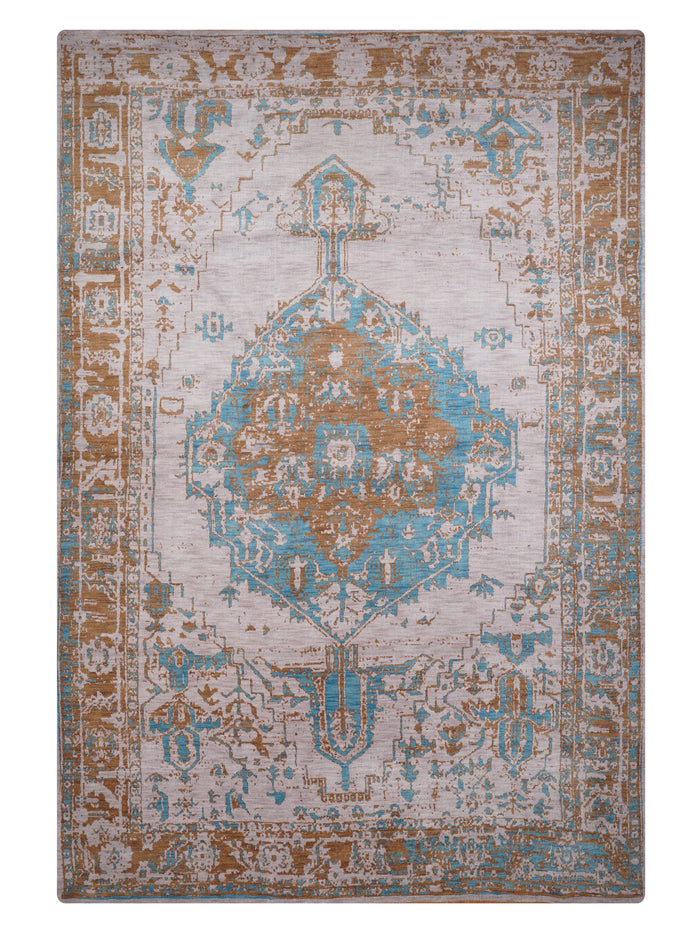


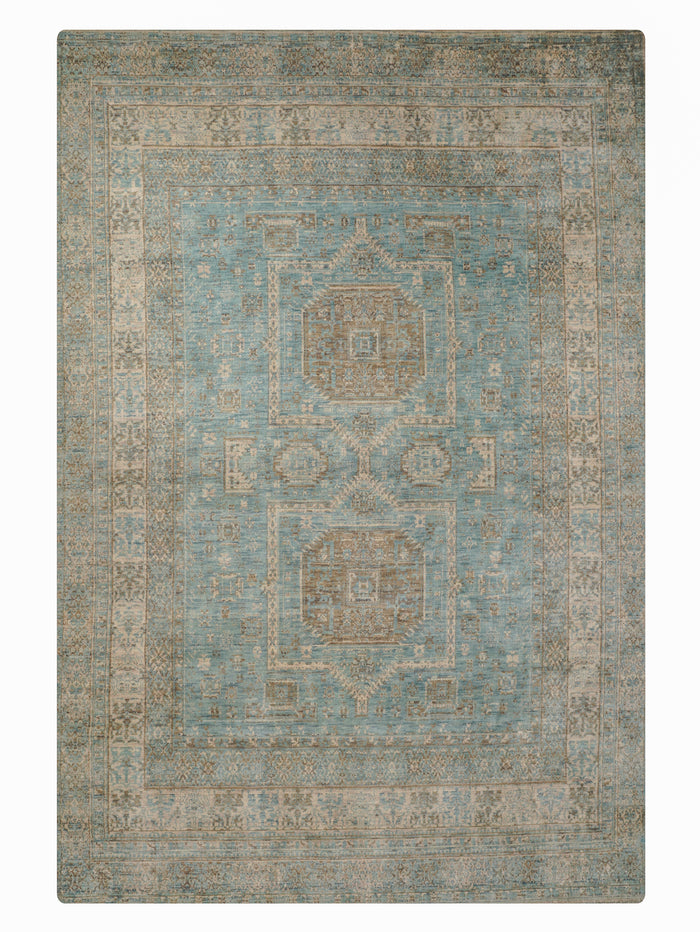

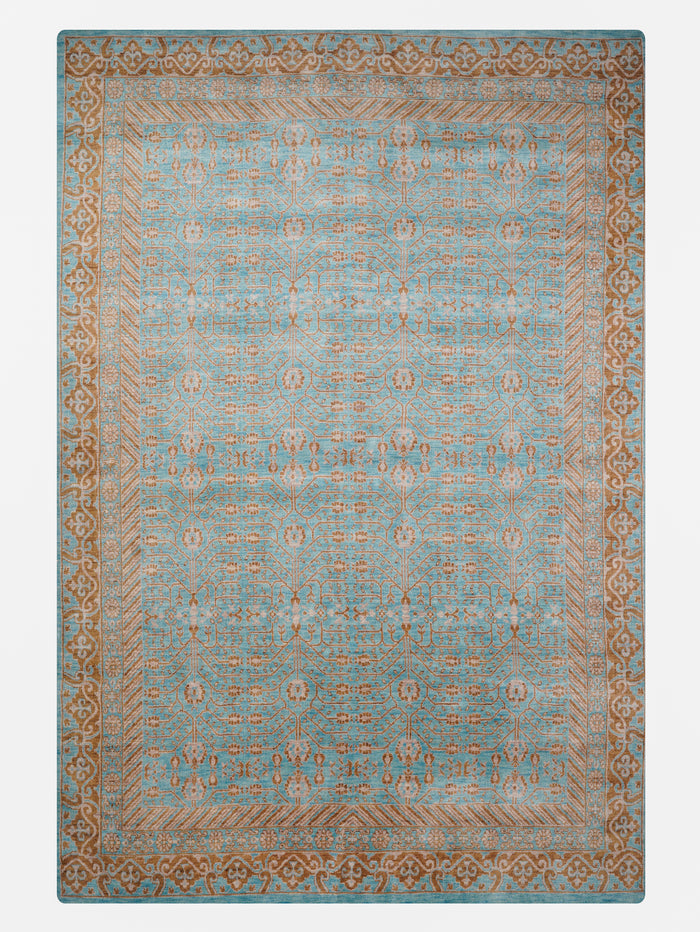

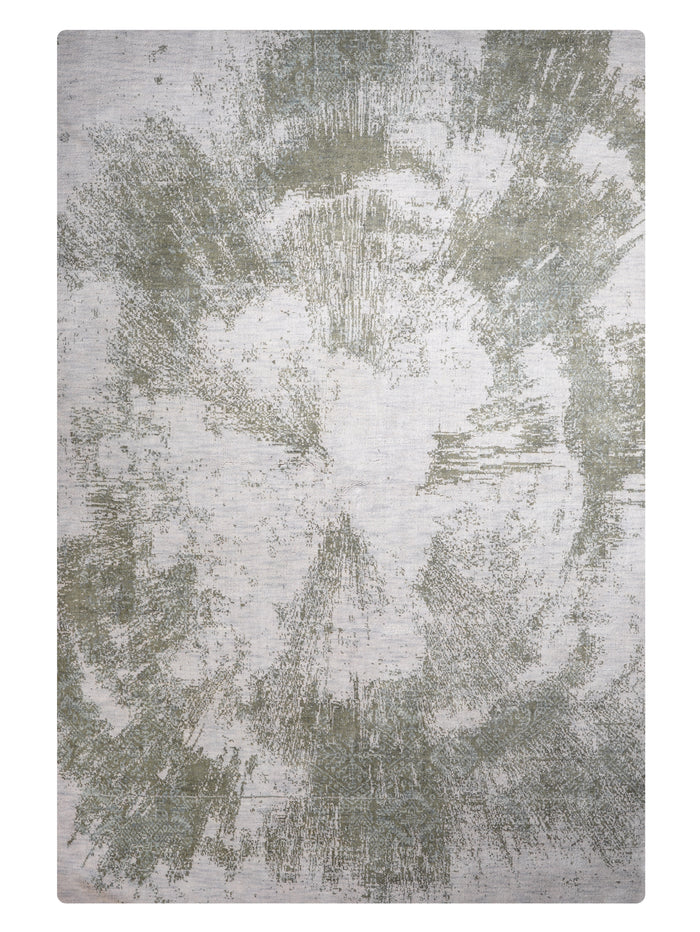


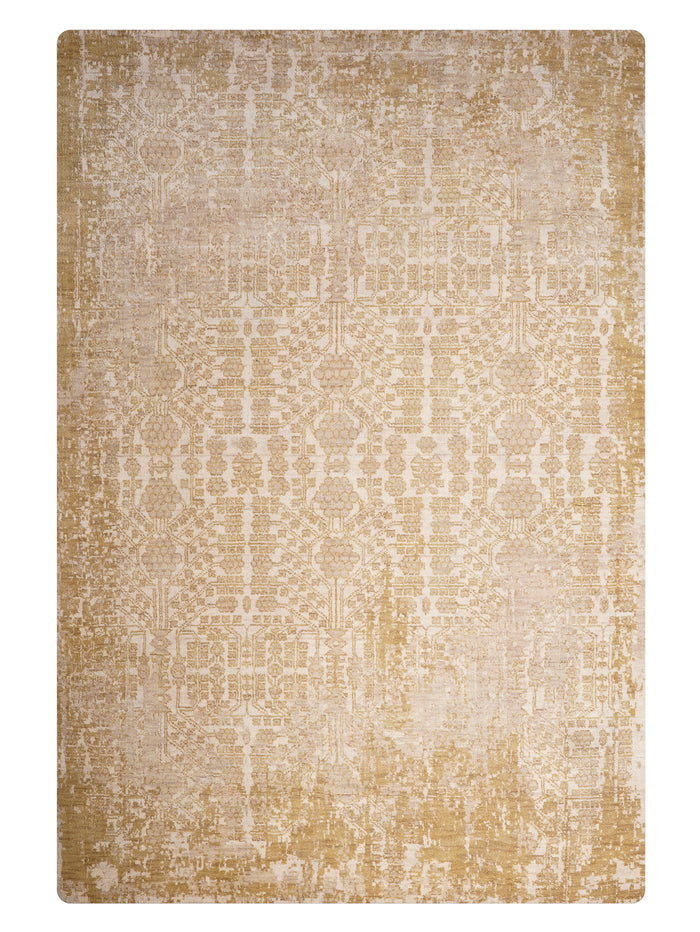

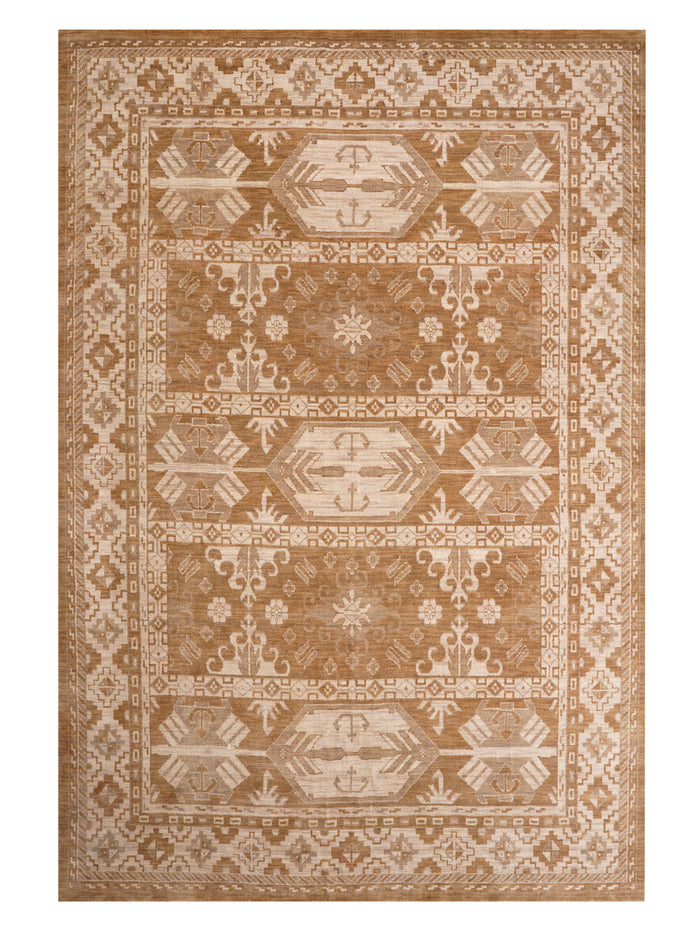

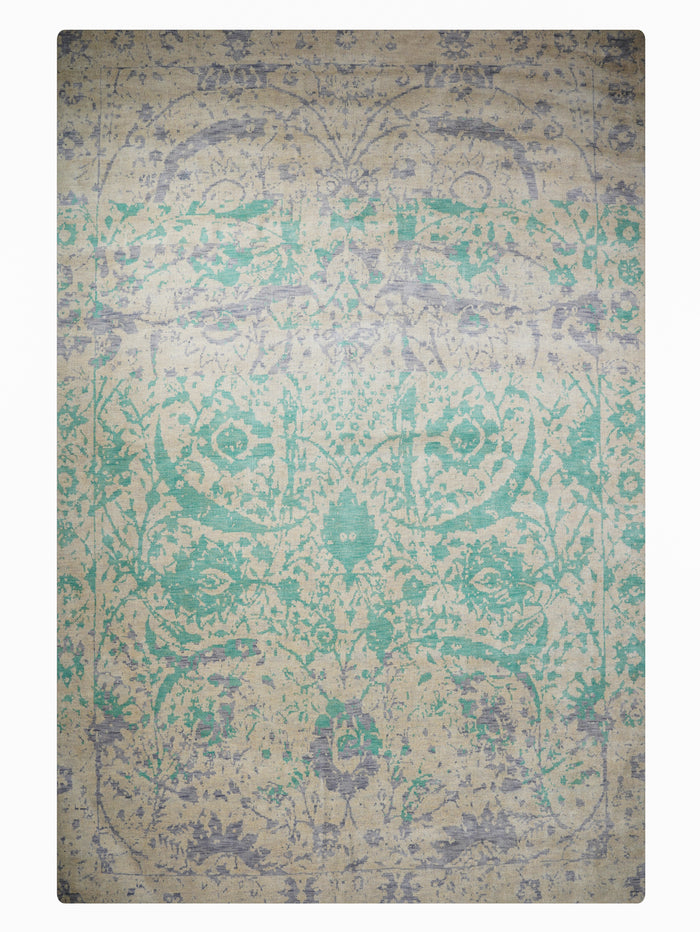

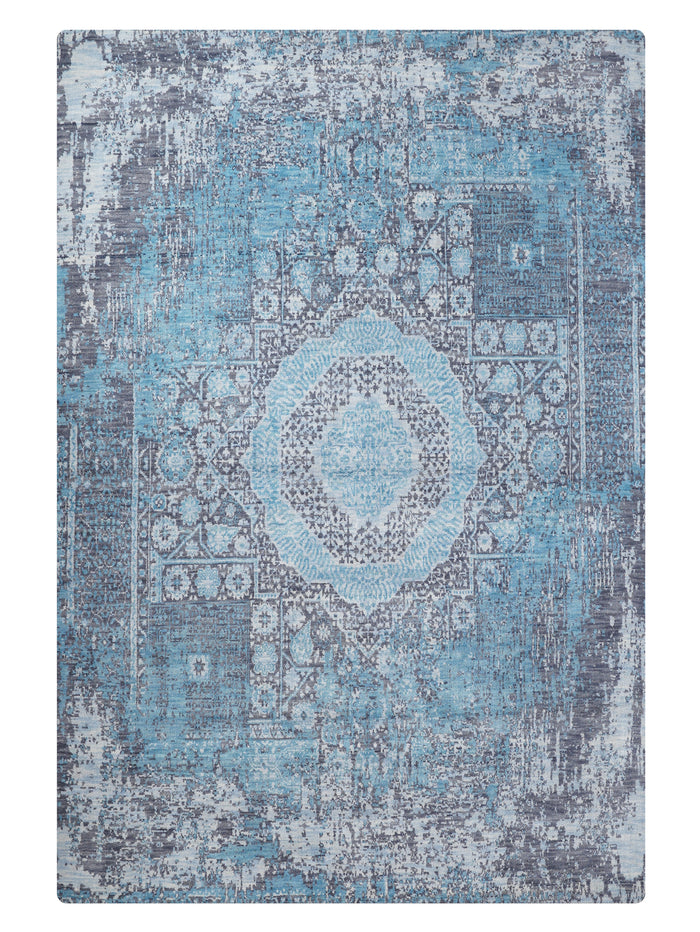

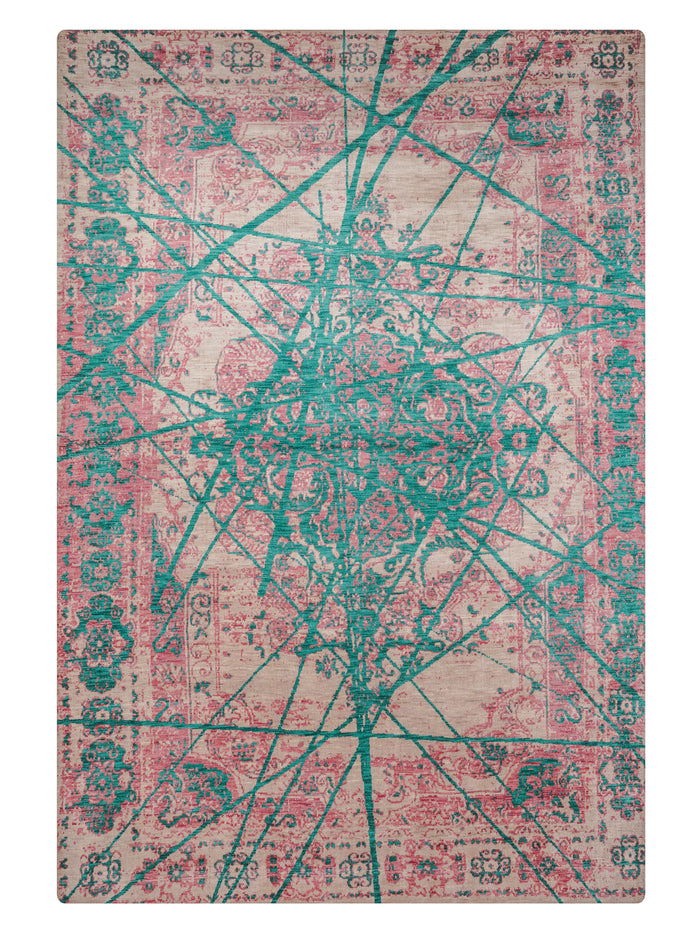

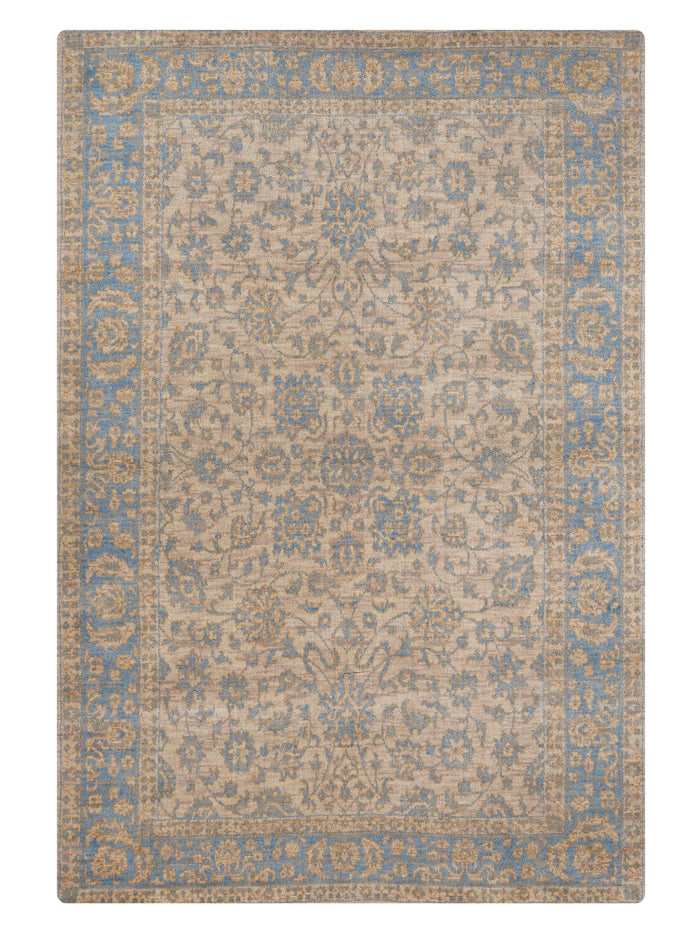

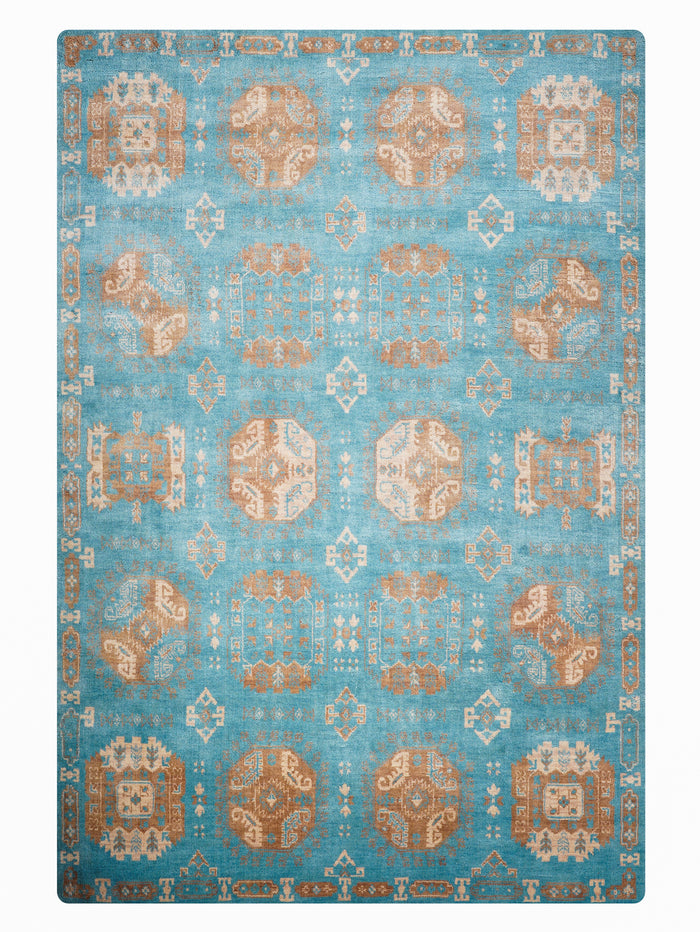

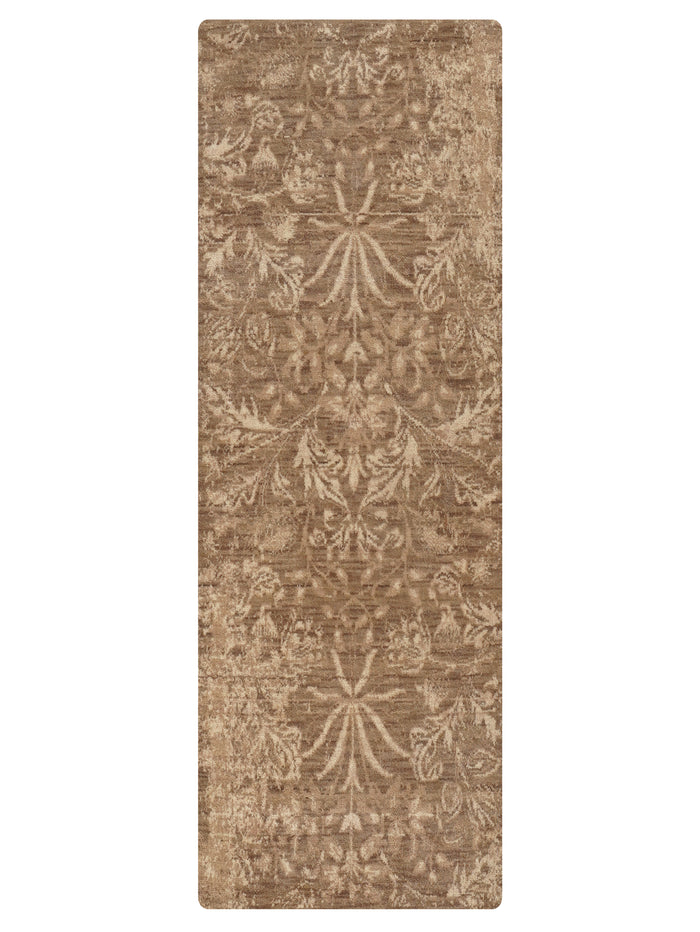


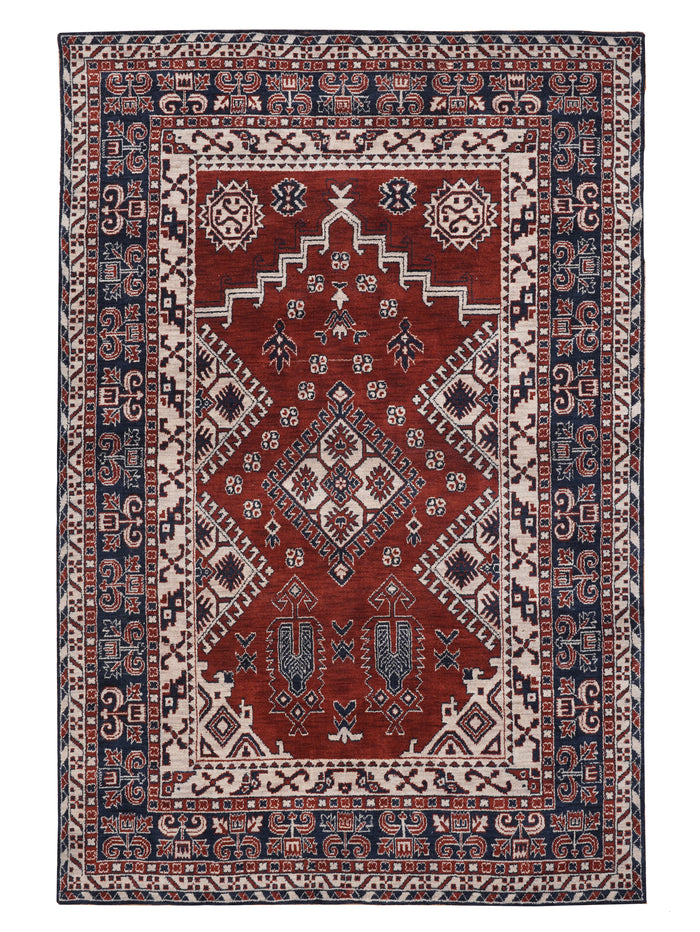

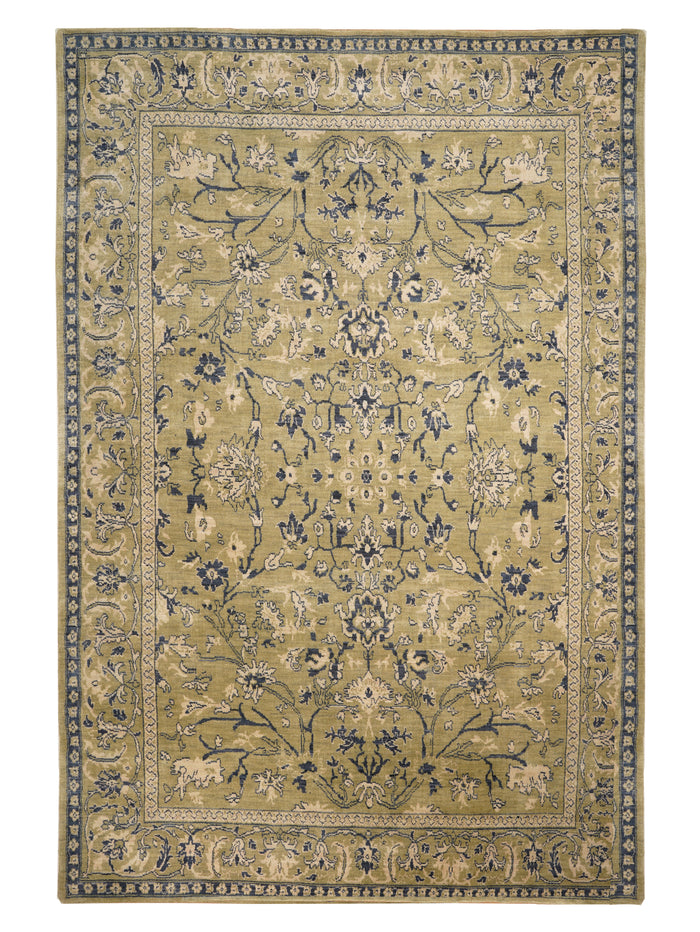

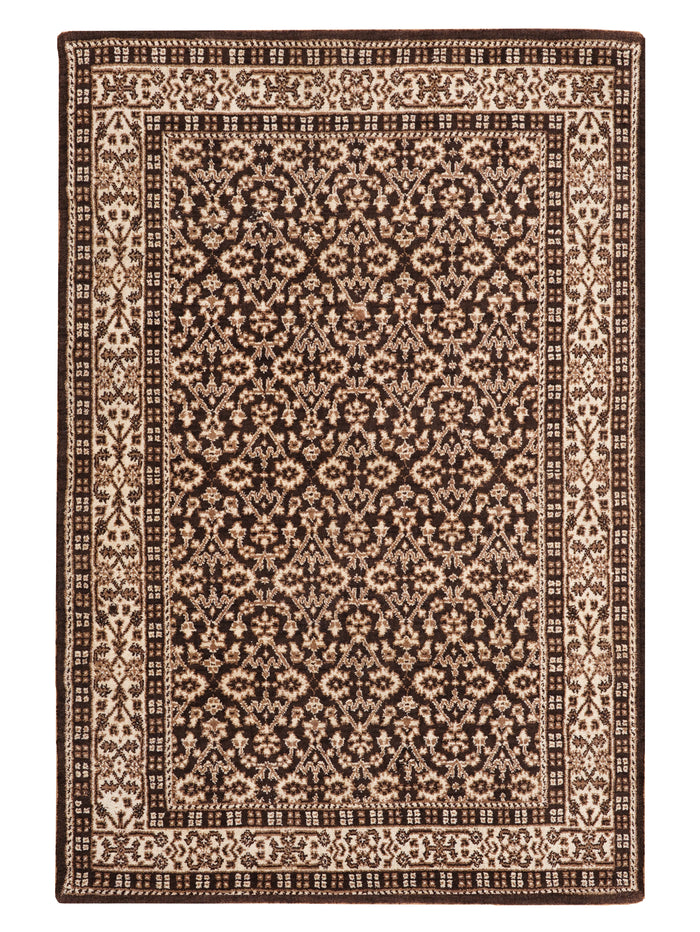

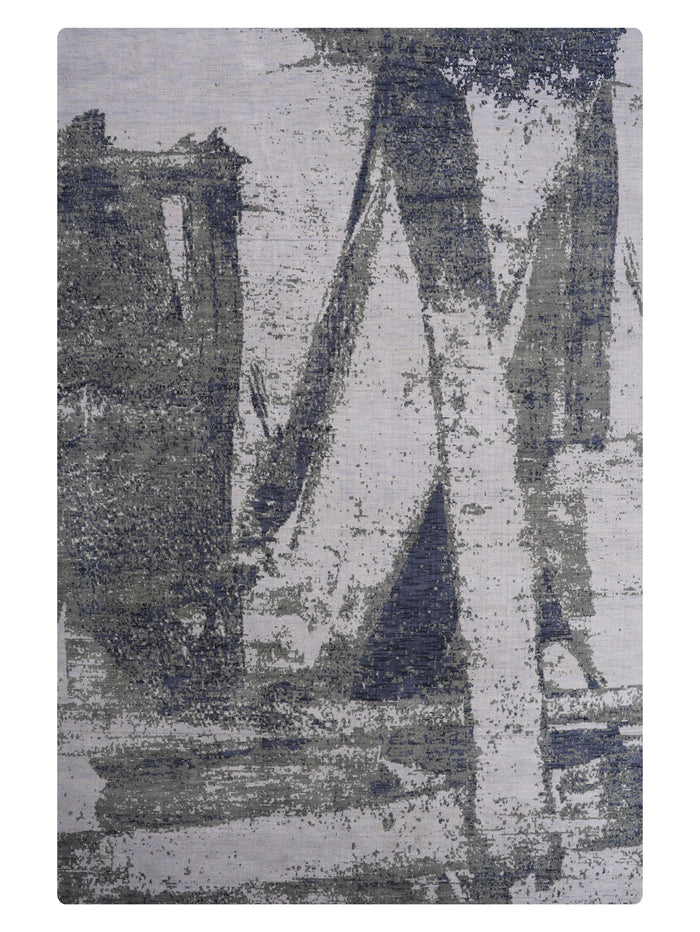

Filters
History Woven Into Every Knot
Few rug styles carry as much history in a single word as "Persian." Technically, persian rugs refer to the weaving tradition of Iran — called Persia before 1935, which is why you'll also see this style searched as persian carpet — a tradition stretching back well over two thousand years and still defining what most people picture when they imagine a truly fine rug.
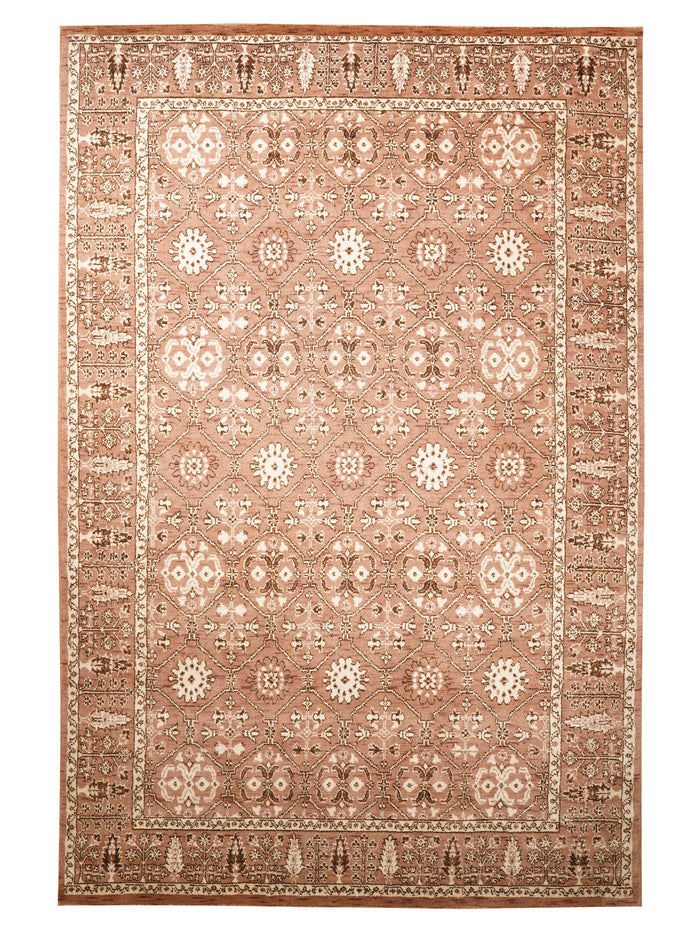
What makes Persian design instantly recognizable is its combination of curving botanical motifs — vines, palmettes, flowing florals — arranged around a central medallion that pulls the whole composition toward the middle of the rug. That structure, more than any single color or size, connects nearly every piece in this collection.
Weaving Cities Worth Knowing
Different weaving cities across Iran developed distinct signature looks within this broader tradition, and knowing a few of them adds real texture to how you shop this collection.
Isfahan
Fine, dense detail on a pale, formal ground.
Tabriz
Intricate medallions with a slightly firmer hand, among the oldest continuous weaving traditions still practiced today.
Kashan
Deep reds and blues with elegantly curling vines.
Heriz
Bolder and more geometric, with a more rustic, architectural feel.
You don't need to memorize this to love a Persian rug, but it's a genuinely nice thing to know you're buying — a specific place, not just a pattern.
Knot, Wool, and a Touch of Silk
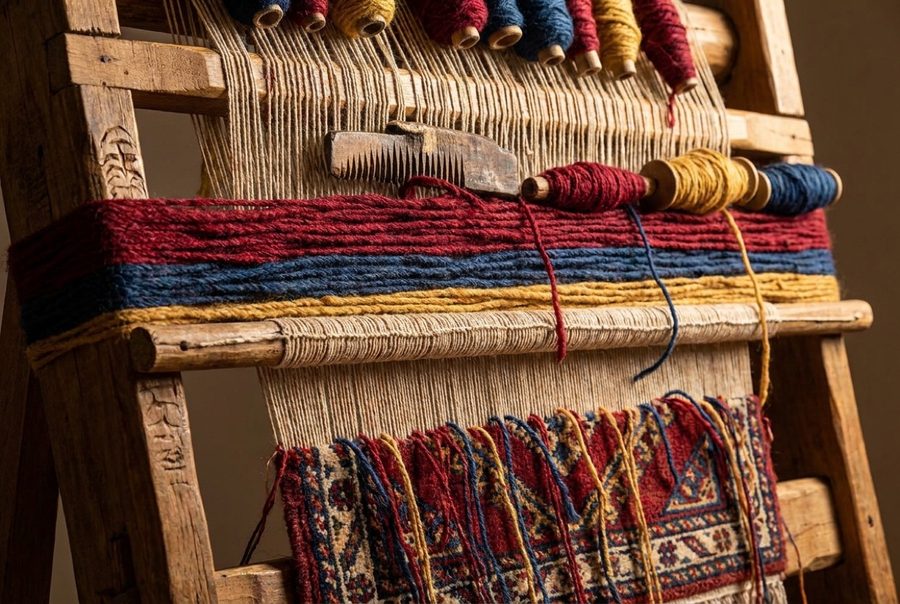
Every piece in this collection is hand knotted, traditionally with an asymmetrical knot, at densities reaching up to 100 per inch, tied by hand over months by a single skilled weaver — the reason a genuine Persian rug can be handed down for generations.
Wool is the traditional backbone of Persian design; our wool Persian rugs use hand-spun, naturally dyed yarn for the deep, complex color that gives this style its characteristic richness.
A smaller selection of our finer pieces incorporate silk, either highlighting specific motifs within a wool field or, in our most formal designs, as the primary fiber throughout.
Color and Where It Shines
Color runs deep and saturated by tradition — rich reds, indigo blues, warm ivories built up through natural dyeing. If that classic palette is exactly what you're after, our Red & Burgundy Rugs collection overlaps heavily with traditional Persian color work.
For a cooler, calmer take, several pieces in our Blue Rugs collection carry that same curving motif language in a quieter palette.
Living rooms and formal dining rooms remain the traditional home for a fine Persian rug — the central-medallion composition rewards being seen from a slight distance, letting the eye travel from the border inward the way the original design intended.
Age and Character
Age and character carry particular weight in this category. A genuinely vintage or antique Persian rug develops a soft, uneven patina over decades that no new piece can replicate — a large part of why these rugs are so often bought with the next generation already in mind. Natural dyes and pure wool age gracefully in a way synthetic materials simply can't match.
Frequently asked questions
Is a Persian rug too formal for a casual, everyday home?
Not at all, though the specific piece matters. A bold, densely patterned design in deep jewel tones will always read a little more formal, but a lighter, more open pattern in a softer palette can sit comfortably in a relaxed living room just as easily as a formal dining room.
What's the difference between Persian and other oriental rugs?
Persian is one specific, celebrated branch of the much wider oriental tradition, which also includes Turkish, Caucasian, and other regional weaving styles. If the curving, medallion-centered look is exactly what you're picturing, this collection is your best starting point.
Do Persian rugs increase in value over time?
Often, yes, particularly with age and proper care. The soft, uneven patina that develops over decades is a large part of why these rugs are so often bought with the next generation in mind.
What size Persian rug works in a living room?
An 8x10 suits most standard seating arrangements and is the most commonly chosen size across our catalog; larger open-plan rooms often need a 9x12 or 10x14. Size matters more than usual with a Persian design, since these patterns are built around a central medallion and a defined border — an undersized rug pushed under furniture cuts off the composition the design depends on.
A Centerpiece Meant to Last
If you're deciding between a specific regional style or sizing a Persian rug for your room, our Design Studio and rug size guide can both help narrow things down.
- Free shipping across the country
- 24-hour dispatch
- 30-day easy returns
Shop Persian Rugs today and bring home two thousand years of craft.