



Hand Woven Rugs
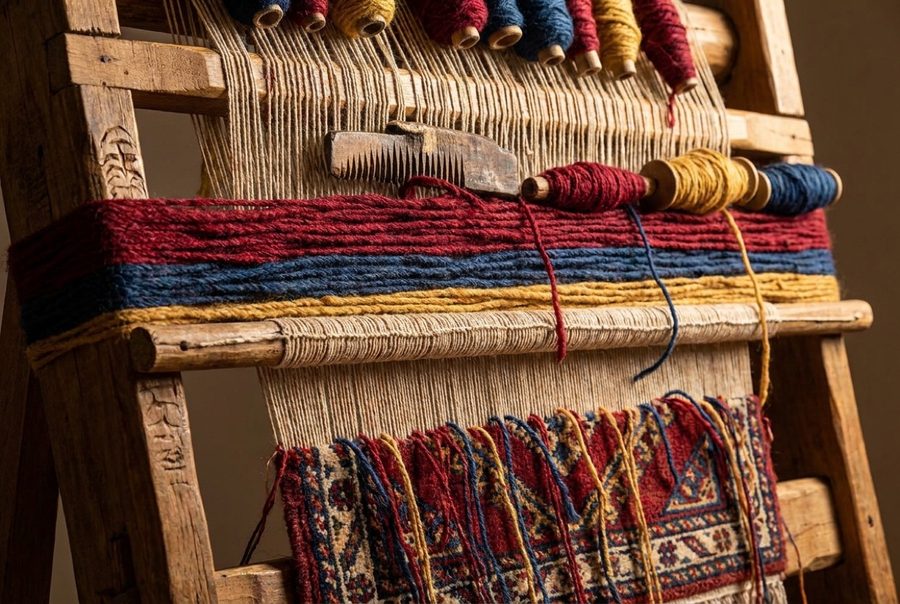
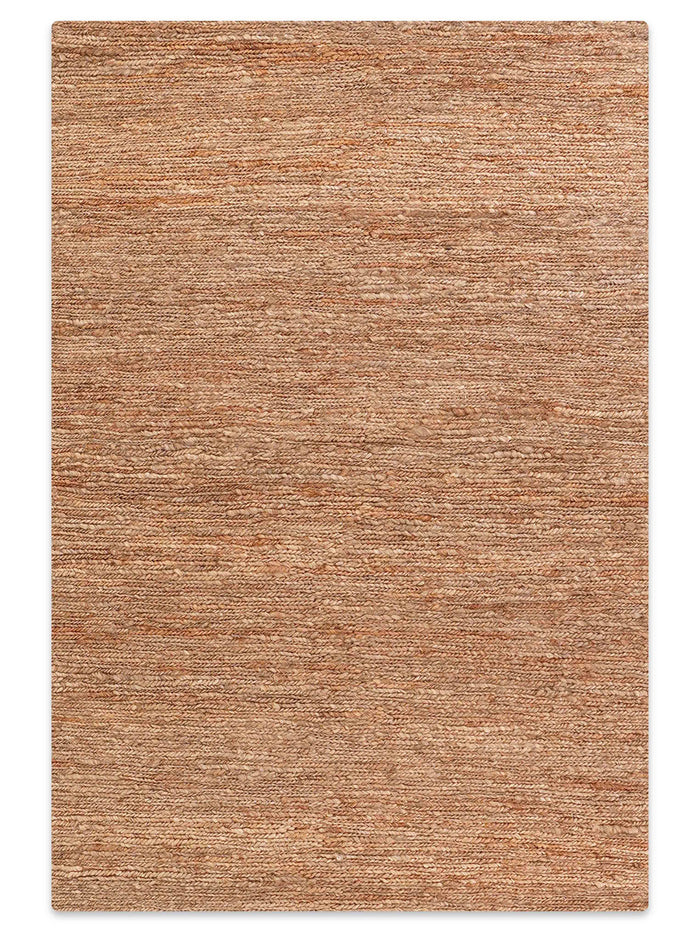
Woven by hand on traditional looms — fine, flat and full of character. Natural wool, silk and jute, crafted slowly, the old way.
What colour are your walls?
Pick the closest shade.
What’s on your floor?
The surface your rug will sit on.
A colour you’re drawn to?
We’ve suggested one from your room — keep it, or tap another shade.
Matched by the GetMyRugs design studio using colour theory and your room. Every rug shown is in our collection and ready to order.








Filters
An Older, Simpler Way to Weave a Rug
Weaving is older than knotting as a textile technique, and hand woven rugs carry that older, simpler lineage forward — no individual knots, just yarn interlaced over and under a foundation in a continuous, flat structure. This collection gathers our flat-weave kilim and dhurrie-style pieces, genuinely handmade woven rugs, light and reversible in a way a knotted or tufted rug simply can't match.
Rather than building up a raised pile, hand-weaving interlaces weft yarn horizontally through vertical warp threads, creating a flat, tightly integrated fabric rather than a rug with distinct surface texture. That flatness is a genuine feature, not a limitation — it's what makes these pieces reversible, meaning you can flip one over and use the other side once the first has worn or faded, effectively doubling its useful life.
Kilim and Dhurrie: Two Traditions, One Technique
Kilim weaving, with roots across Turkey, Persia, and the Caucasus, tends toward bold geometric motifs and rich, saturated color. Dhurrie weaving, native to India, leans toward simpler stripes and blocks of color, often in cotton, with a slightly looser, more casual hand. Both traditions produce genuinely handmade rugs, just with different visual sensibilities.
Materials That Shape the Weave
Wool Rugs and cotton dominate this collection's material mix, sometimes combined in the same piece — wool brings depth of color and durability, while cotton keeps the structure lighter and more flexible than an all-wool weave would be.
Our Jute Rugs collection uses a closely related weaving technique, substituting jute fiber for wool or cotton to bring a more natural, textural quality to the same flat structure.
Styles and Spaces Built for This Construction
Design in this collection leans toward clean lines and blocks of color, since flat-weaving renders those particularly well. It doesn't lend itself as naturally to the fine, curving detail of a Persian medallion, which is why you won't find much overlap here with our more traditional oriental designs — different constructions genuinely suit different pattern languages.
Because there's no raised pile to trap dirt or crush under furniture, these pieces are notably easier to clean and maintain, and their light weight makes them easy to shake out, rotate, or move between rooms as needed.
How Long a Hand-Woven Rug Lasts
Longevity here sits between our other constructions — genuinely durable with proper care, though the flat structure doesn't offer quite the same multi-generational lifespan as a dense hand-knotted pile. What it does offer instead is that reversibility advantage unique to this construction, extending useful life by giving you a second, fresh-looking surface once the first side shows real wear.
Caring for a Hand-Woven Rug
Care is refreshingly simple: regular shaking or light vacuuming, prompt attention to spills since there's less pile to buy you time before a stain sets, and occasional flipping to distribute wear evenly across both sides. Our Rug Care guide covers the specifics, most of which take less ongoing effort than caring for a plush pile construction.
A Different Kind of Comfort
A fair question: does a flat, low-pile rug feel less luxurious underfoot than a plush alternative? The honest answer is that it feels different rather than lesser. It won't give you the deep, sinking softness of a shag piece, but it offers a crisper, more grounded feel that many people genuinely prefer, particularly in warmer climates or rooms where a heavy pile feels unnecessary.
Frequently asked questions
What's the difference between hand-woven and hand-knotted rugs?
A hand-woven rug interlaces yarn flat over a foundation with no raised pile and no individual knots, while a hand-knotted rug is built up knot by knot into a dense pile. The woven construction is reversible and lighter; the knotted construction is denser and longer-lasting.
Are hand-woven rugs reversible?
Yes. Because there's no raised pile, you can flip a hand-woven rug over and use the other side once the first has worn or faded, effectively doubling its useful life.
Do hand-woven rugs feel less luxurious underfoot?
They feel different rather than lesser — crisper and more grounded than a plush pile, a texture many people genuinely prefer in warmer climates or more casual rooms.
Where do hand-woven rugs work best in a home?
Kitchens and dining rooms are a natural fit thanks to easy cleanup, and their light, reversible nature also makes them great in sunrooms, casual living spaces, and as a base layer under a smaller accent rug.
Bring Home a Rug That Adapts With You
This construction also travels well between rooms thanks to its light weight and reversibility — a rug that's started to feel out of place in a living room after a redecorating project can often find a second life in an entryway or Corridor / Hallway Rugs space, sometimes after simply being flipped to its fresher reverse side.
If you'd like this same flat, woven character organized by pattern, our Flat Weave Rugs collection covers many of these same techniques directly.
Shop Hand Woven Rugs today for a light, versatile rug that only gets more useful with time.